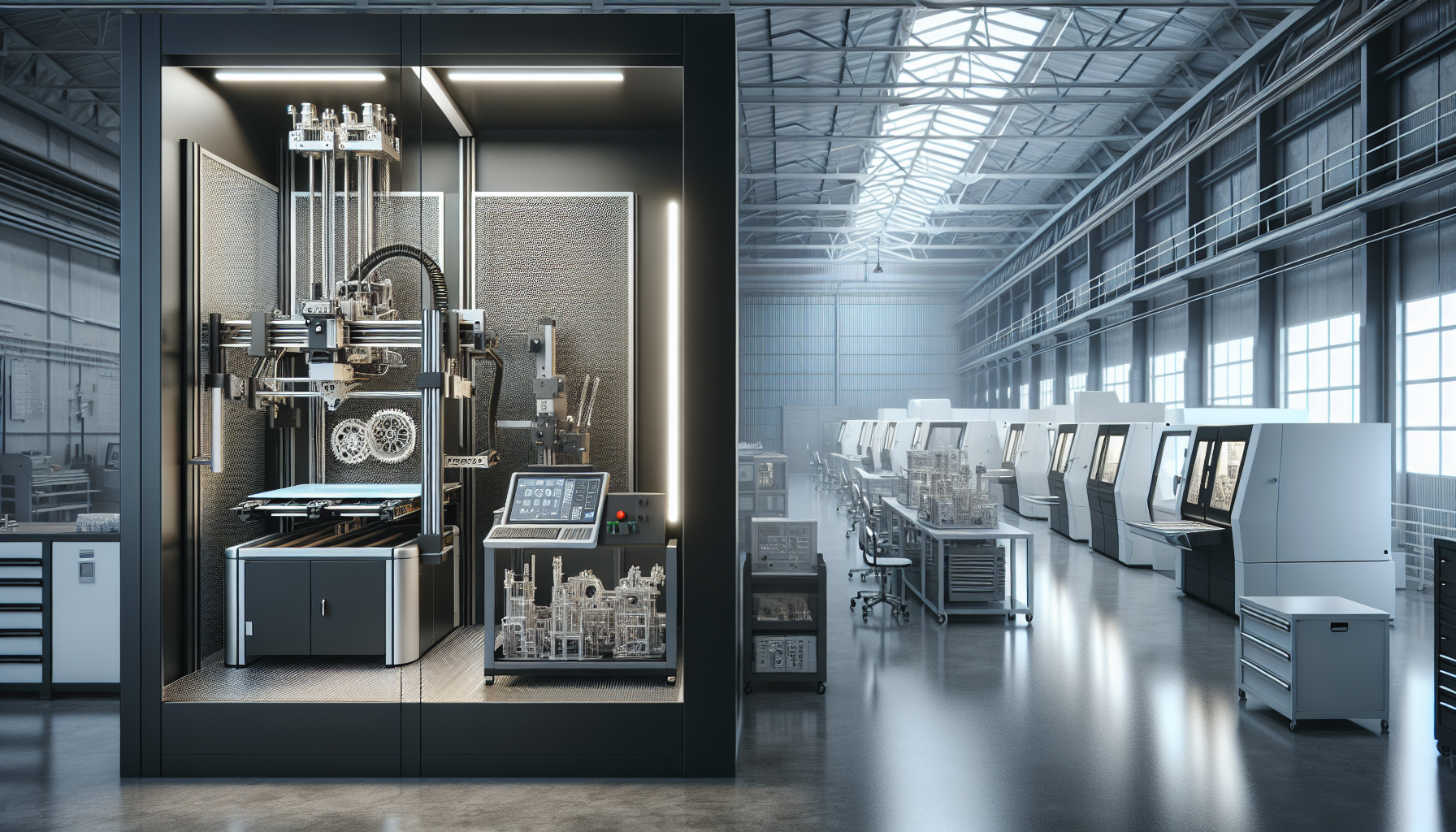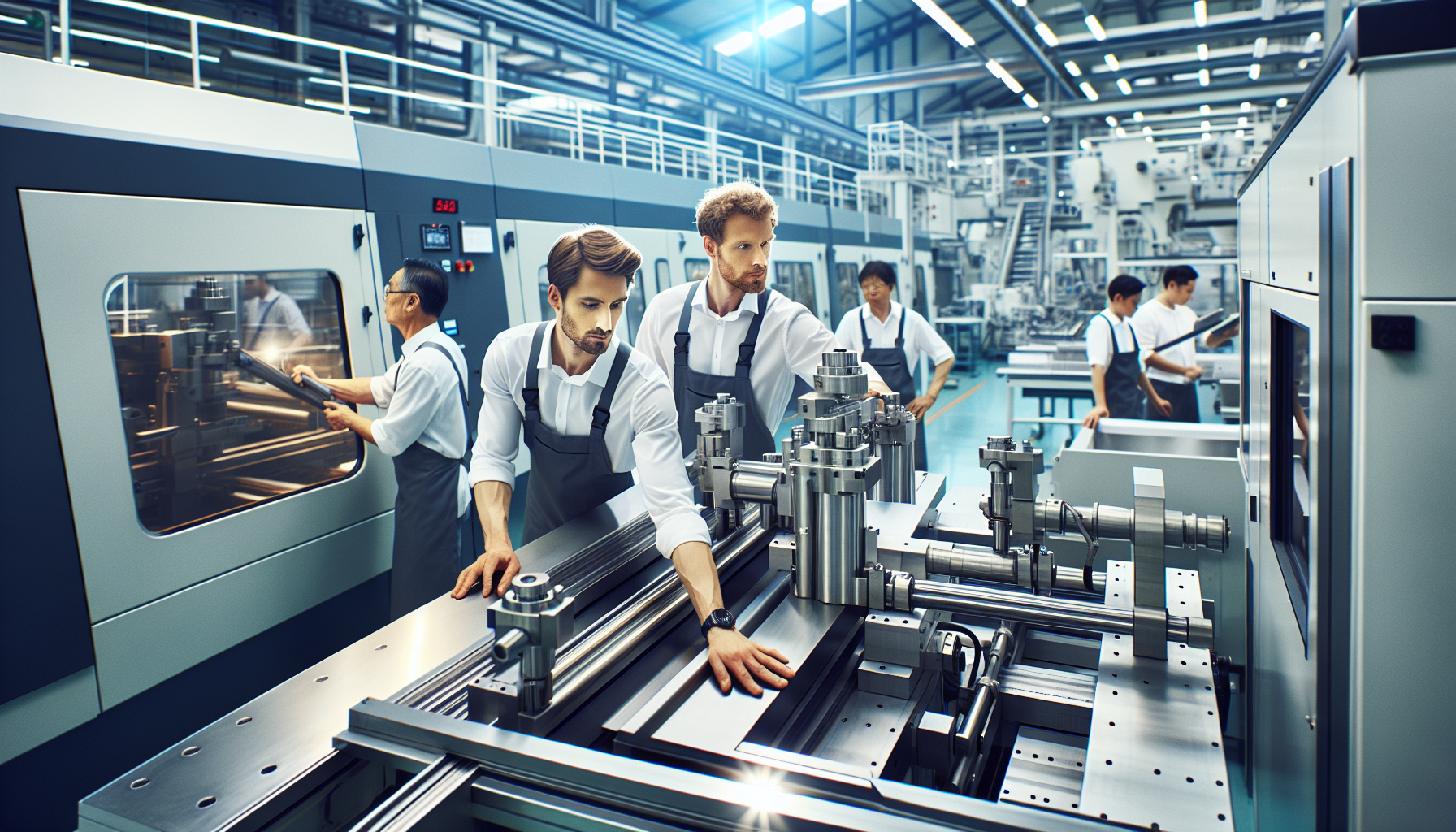
In the industrial environment, efficient machinery maintenance is crucial to ensure operational continuity and optimize costs. Two predominant approaches in maintenance management are preventive maintenance and predictive maintenance. Each offers specific features, advantages, and limitations that should be analyzed to decide which is best suited to each company’s needs.<\/p>\n\n
What is preventive maintenance?<\/h2>\n
Preventive maintenance involves scheduled and periodic interventions on equipment, regardless of its current condition. Its goal is to reduce the likelihood of failures through inspections, lubrication, adjustments, and parts replacement according to a set schedule.<\/p>\n\n
Advantages of preventive maintenance<\/h3>\n\n- Fixed planning:<\/strong> allows organizing resources and downtime in advance.<\/li>\n
- Reduction of serious failures:<\/strong> by avoiding excessive wear, unexpected breakdowns are minimized.<\/li>\n
- Simple implementation:<\/strong> does not require advanced technologies to carry out.<\/li>\n<\/ul>\n\n
Limitations of preventive maintenance<\/h3>\n\n- Potentially high costs:<\/strong> unnecessary tasks may be performed if the equipment is in good condition.<\/li>\n
- Scheduled downtime:<\/strong> can affect production even if no imminent failure exists.<\/li>\n
- Lack of adaptation:<\/strong> does not consider actual operating conditions or specific wear.<\/li>\n<\/ul>\n\n
What is predictive maintenance?<\/h2>\n
Predictive maintenance is based on continuous or periodic monitoring of the actual condition of equipment through sensors and data analysis. It allows anticipating failures by early detection of anomalies, optimizing interventions only when truly necessary.<\/p>\n\n
Advantages of predictive maintenance<\/h3>\n\n- Resource optimization:<\/strong> intervention occurs only when the equipment shows signs of deterioration.<\/li>\n
- Reduction of unexpected downtime:<\/strong> improves machinery availability.<\/li>\n
- Longer service life:<\/strong> enables adjustment of operating conditions and prevents significant damage.<\/li>\n<\/ul>\n\n
Disadvantages of predictive maintenance<\/h3>\n\n- Initial investment:<\/strong> requires sensors, analysis systems, and trained personnel.<\/li>\n
- Technical complexity:<\/strong> demands advanced data management and specific knowledge.<\/li>\n
- Technological dependence:<\/strong> can be affected by failures in monitoring systems.<\/li>\n<\/ul>\n\n
When to choose preventive or predictive maintenance?<\/h2>\n
The choice between preventive and predictive maintenance depends on several factors, such as the type of machinery, process criticality, available budget, and the company’s technological capabilities.<\/p>\n\n
\n- Preventive maintenance:<\/strong> is usually suitable for equipment with low criticality or where investment in technology is not justified. It is also useful in contexts where rigid planning is imperative.<\/li>\n
- Predictive maintenance:<\/strong> is ideal in facilities with critical equipment, high downtime costs, or where technology and trained personnel are available to implement advanced monitoring systems.<\/li>\n<\/ul>\n\n
Conclusion<\/h2>\n
Both maintenance models play a relevant role in today’s industry. Preventive maintenance offers a solid and straightforward foundation for maintenance management, while predictive maintenance provides an efficient and modern approach that can significantly improve asset management when properly implemented. In many cases, a combination of both methods can be the most balanced strategy to maximize availability and the service life of industrial machinery.<\/p>\n\n
To deepen knowledge in industrial maintenance management and best practices, it is advisable to consult specialized resources and adapt to the sector’s technological evolution.<\/p>
When to choose preventive or predictive maintenance?<\/h2>\n
The choice between preventive and predictive maintenance depends on several factors, such as the type of machinery, process criticality, available budget, and the company’s technological capabilities.<\/p>\n\n
- \n
- Preventive maintenance:<\/strong> is usually suitable for equipment with low criticality or where investment in technology is not justified. It is also useful in contexts where rigid planning is imperative.<\/li>\n
- Predictive maintenance:<\/strong> is ideal in facilities with critical equipment, high downtime costs, or where technology and trained personnel are available to implement advanced monitoring systems.<\/li>\n<\/ul>\n\n
Conclusion<\/h2>\n
Both maintenance models play a relevant role in today’s industry. Preventive maintenance offers a solid and straightforward foundation for maintenance management, while predictive maintenance provides an efficient and modern approach that can significantly improve asset management when properly implemented. In many cases, a combination of both methods can be the most balanced strategy to maximize availability and the service life of industrial machinery.<\/p>\n\n
To deepen knowledge in industrial maintenance management and best practices, it is advisable to consult specialized resources and adapt to the sector’s technological evolution.<\/p>
- Predictive maintenance:<\/strong> is ideal in facilities with critical equipment, high downtime costs, or where technology and trained personnel are available to implement advanced monitoring systems.<\/li>\n<\/ul>\n\n