In the industrial sector, choosing the right manufacturing method is crucial to optimize costs, time, and quality. Two of the most widely used techniques today are additive manufacturing and subtractive manufacturing. While both aim to create parts or components, their processes, applications, and advantages differ significantly.
What is additive manufacturing?
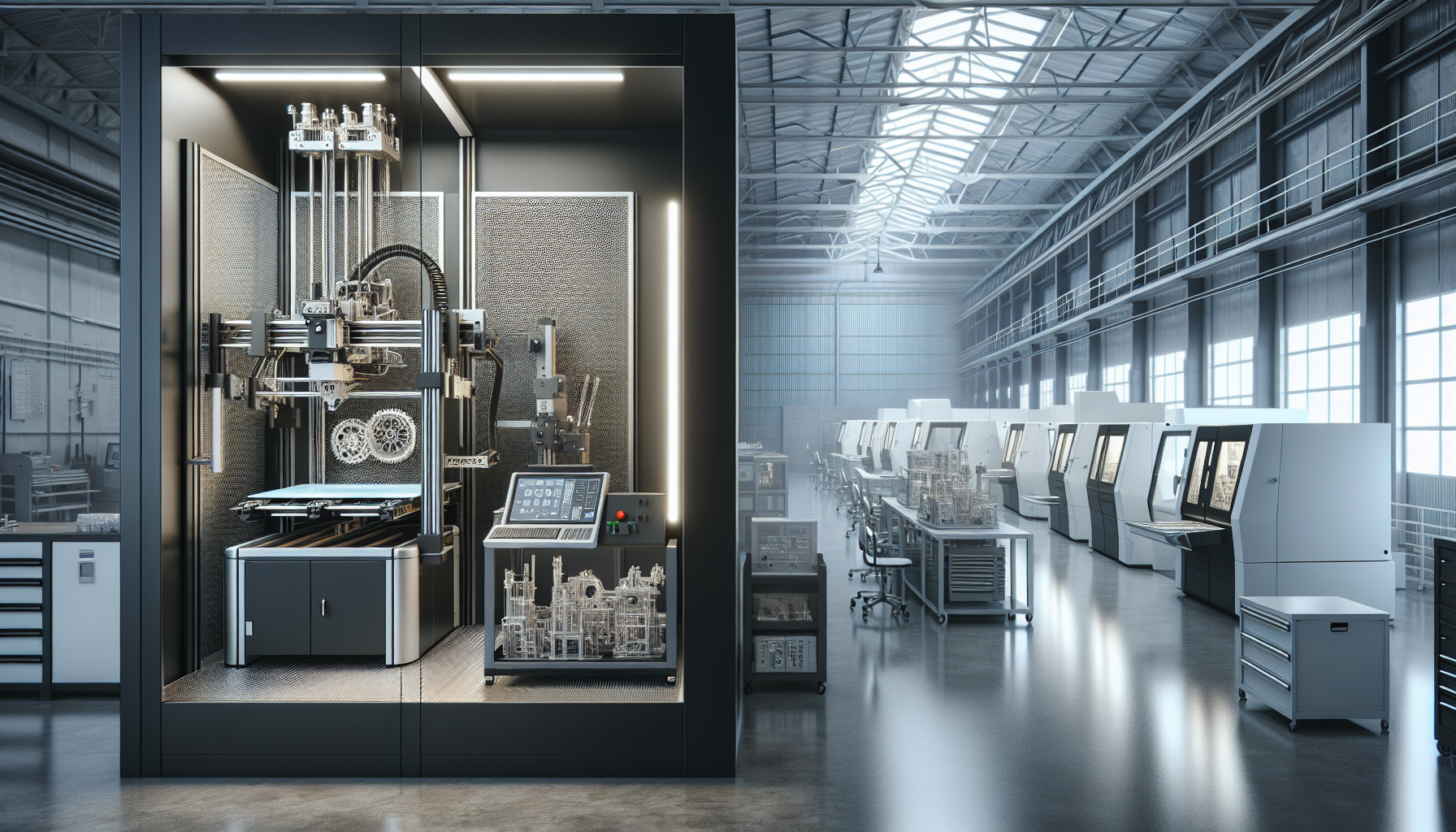
Additive manufacturing, commonly known as 3D printing, involves building objects layer by layer from a digital model. This method progressively adds material until the desired shape is achieved. It is widely used in rapid prototyping, customized production, and complex geometries that would be difficult to achieve with other methods.
What is subtractive manufacturing?
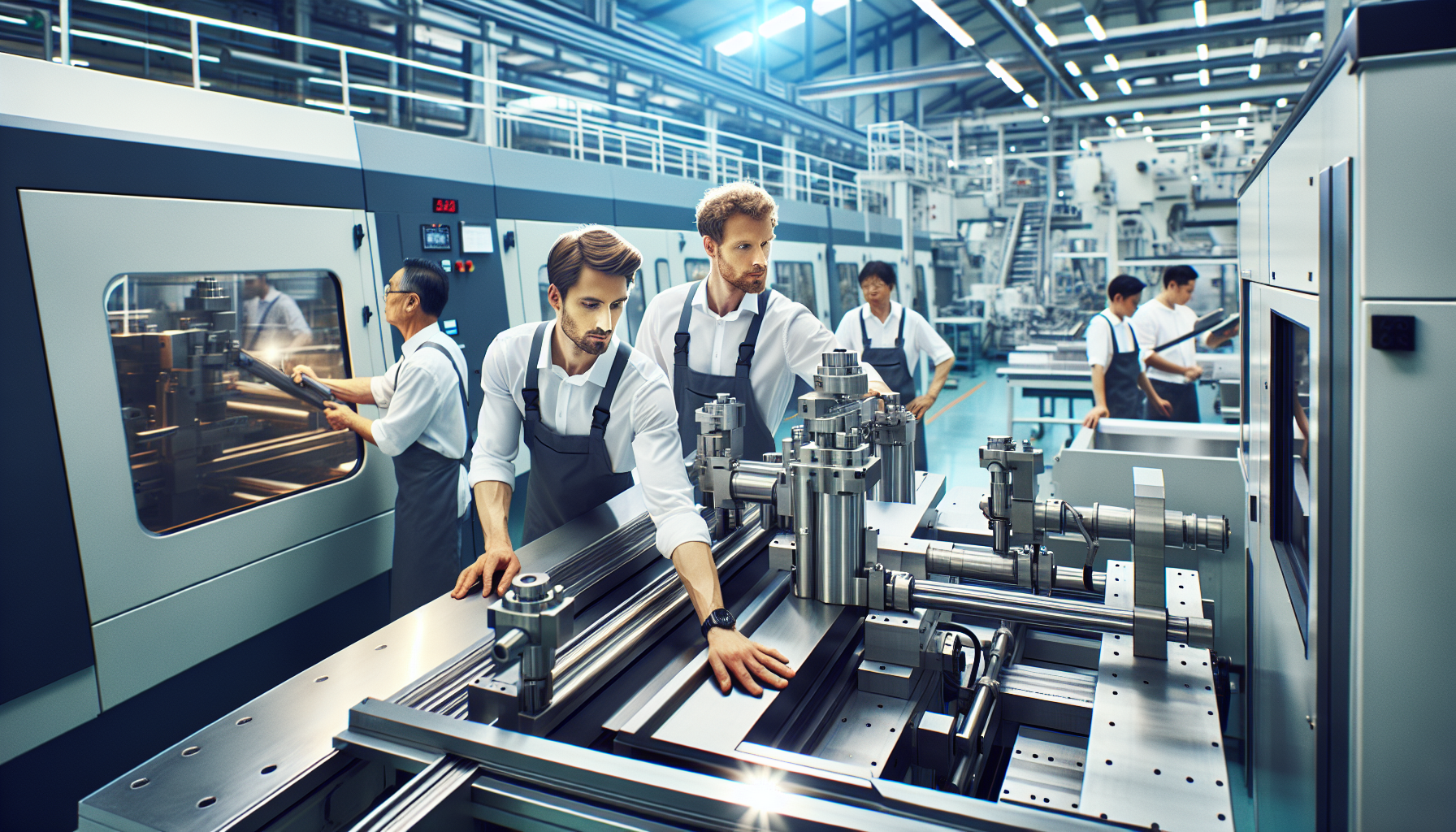
In contrast, subtractive manufacturing entails removing material from an initial block to produce the final piece. Techniques like CNC machining, milling, or turning are common examples. This process is traditional in industry and is suitable for mass production of parts with high precision and finish.
Advantages of additive manufacturing
- Design flexibility: Enables creation of complex and customized shapes.
- Waste reduction: Only uses the material necessary for the part.
- Rapid prototyping: Facilitates quick design iterations.
- Lower initial costs: Does not require molds or specific tools.
- On-demand production: Ideal for small batches or unique parts.
Advantages of subtractive manufacturing
- High precision and finish: Parts generally have better tolerances and smoother surfaces.
- Varied materials: Compatible with metals, plastics, and other industrial materials.
- Scalability: Efficient for mass production.
- Established knowledge: Processes and machinery widely available.
- Competitive unit costs: More economical in large volumes.
When to choose each method?
The choice between additive and subtractive manufacturing depends on several factors related to the product and business strategy:
- Design complexity: For parts with complex or internal geometries, additive manufacturing is preferable.
- Production volume: For large series, subtractive manufacturing is usually more cost-effective.
- Development time: For rapid prototypes or customized products, additive manufacturing speeds up the process.
- Material and properties: Some materials or specific finishes require subtractive processes.
- Costs: Evaluate initial investment, per-unit costs, and potential savings in materials or tools.
Conclusion
Both manufacturing methods have strengths that can complement each other depending on the industrial context. Additive manufacturing brings innovation, agility, and waste reduction, while subtractive manufacturing offers precision, scalability, and a broad usage history.
For an informed decision, companies can consult specialized industrial services providers and evaluate options that integrate both technologies into their production chain.
Ultimately, a deep understanding of these technologies and their proper application can make a difference in the efficiency and competitiveness of any industrial company.
To learn more about industrial processes and suppliers, also visit our industrial companies directory and compare available service offers.